Learn how completed trades differ from displayed orders, and what each market’s data can tell you. These are educational guides; no live price feed is provided.
A share represents ownership in a company. Its market price is what buyers and sellers agree to now; that is not the same as the business’s underlying value. Earnings, cash generation, debt and the price paid all matter. An index combines selected shares: the S&P 500 covers large U.S. companies, while the Nasdaq-100 and Dow use different selection and weighting rules.
Previous-session context · September 4
Friday’s U.S. employment release is relevant to company demand and borrowing costs. It does not establish why an index moved; no closing index return is claimed in this snapshot. Read the dated context.
Upcoming events · checked September 6
NYSE markets observe Labor Day on September 7. The next regular U.S. stock session is September 8. U.S. PPI and CPI follow on September 10 and 11.
A currency is always priced against another currency. A rising USD/JPY means one dollar buys more yen; a rising EUR/USD means one euro buys more dollars. Relative interest rates, inflation and international demand influence those comparisons. A stronger dollar can reduce the dollar value of overseas company earnings, while dollar-priced imports can become more expensive for other countries.
Previous-session context · September 4
Use the September 4 jobs report below as U.S. economic context, not proof of a particular dollar move. Employment and inflation are different measurements and should be read together. Read the dated context.
Upcoming events · checked September 6
U.S. PPI: September 10, 8:30 a.m. ET. CPI: September 11, 8:30 a.m. ET. The Fed meets September 15–16; a scheduled meeting does not establish its decision.
The yen is Japan’s currency. USD/JPY compares dollar and yen purchasing power in the foreign-exchange market—not the relative size of their economies. Differences between Japanese and overseas rates can influence funding choices. When investors unwind positions funded in yen, currency movements can be abrupt. Bank of Japan policy, domestic prices and official intervention announcements need separate attention.
Previous-session context · September 4
Friday’s U.S. jobs release provides context for the dollar side of USD/JPY. A Japan-specific Friday announcement or yen closing move has not been verified for this snapshot. Read the dated context.
Upcoming events · checked September 6
The September 10–11 U.S. inflation releases are relevant cross-market events. Check the Bank of Japan’s official meeting calendar for Japan-specific policy dates and releases.
The renminbi is China’s currency; yuan is its unit. Onshore CNY and offshore CNH trade in different market settings and can have different prices. Policy management and the daily reference rate distinguish this market from a freely floating currency. Trade, domestic demand and cross-border flows matter, but one exchange-rate quote cannot describe the whole Chinese economy.
Previous-session context · September 4
No China-specific September 4 release or CNY/CNH closing move is asserted here. Keep the onshore and offshore instruments separate when reviewing the previous session’s provider quotes. Read the dated context.
Upcoming events · checked September 6
U.S. inflation on September 10–11 is relevant to the dollar side of the pair. China-specific upcoming release dates still require a separate official-calendar check.
The euro is shared by euro-area economies, but those economies do not all grow at the same speed. The ECB sets a common monetary-policy stance, while national budgets and sovereign borrowing costs can differ. EUR/USD reflects both the euro and dollar sides. Inflation, wages and lending conditions help explain the policy discussion without predicting the exchange rate.
Previous-session context · September 4
Friday’s U.S. employment report is relevant to the dollar side of EUR/USD. It is not evidence of a new ECB decision or a specific euro price reaction. Read the dated context.
Upcoming events · checked September 6
The ECB’s monetary-policy meeting is September 9–10, with a press conference on September 10. Review the published decision and explanation rather than assuming an outcome.
The franc is Switzerland’s currency. Investors sometimes seek it during uncertainty, but ‘safe haven’ is a description of behavior, not a promise of stability. A strong franc affects import prices and Swiss exporters differently. Swiss National Bank policy and conditions in nearby European economies can both matter; a dollar-franc quote does not measure every franc relationship.
Previous-session context · September 4
No Swiss-specific Friday policy announcement or closing move is asserted. Separate changes in USD/CHF from changes in EUR/CHF when examining provider data. Read the dated context.
Upcoming events · checked September 6
The ECB’s September 9–10 meeting is a regional event to monitor, not an SNB meeting. U.S. inflation releases on September 10–11 are relevant to USD/CHF.
Bitcoin is a digital asset transferred over a decentralized network. Owning coins directly creates custody responsibilities; owning an exchange-traded product is a different arrangement with its own fees and risks. Crypto venues trade through weekends, so there is no single worldwide closing price. Liquidity, regulation, leverage and custody failures can matter as much as a headline.
Previous-session context · September 4
Friday is not a universal last session for Bitcoin. This snapshot does not claim a September 5 return or a consolidated closing price; always identify the venue and timestamp. Read the dated context.
Upcoming events · checked September 6
U.S. inflation releases on September 10–11 are macroeconomic events, not Bitcoin-specific catalysts with guaranteed effects. No protocol event is confirmed in this snapshot.
Gold is a physical metal held for jewelry, reserves and investment. It does not pay interest. That makes the return available on interest-bearing assets—and inflation-adjusted yields—useful comparisons, although the relationship is not mechanical. Physical bullion, funds and futures have different storage, fee and leverage risks. A futures quote also depends on the contract month.
Previous-session context · September 4
The September 4 employment release provides rates context for gold. This is not a verified gold settlement report and does not claim that the release caused a price move. Read the dated context.
Upcoming events · checked September 6
Monitor September 11 U.S. CPI and the September 15–16 Fed meeting for inflation and policy context. Neither determines a guaranteed direction for gold.
Silver has both investment and industrial uses. Electronics and other manufacturing demand can connect it to economic activity, while currency and interest-rate conditions also matter. It therefore need not move like gold. Comparing the gold/silver ratio describes relative prices; it does not prove that either metal must reverse. Physical and leveraged products involve different risks.
Previous-session context · September 4
No silver-specific Friday settlement or supply announcement has been verified here. The employment release below is broader demand context, not evidence of a silver-market reaction. Read the dated context.
Upcoming events · checked September 6
U.S. PPI on September 10 and CPI on September 11 offer cost and inflation context. Keep those releases separate from actual metal inventories and industrial-demand data.
Crude oil is a raw material refined into fuels and other products. WTI and Brent are benchmarks with different delivery and geographic characteristics. Inventories reflect the balance of supply and use, but imports, exports and refinery maintenance can change weekly figures. A fall in stocks is not automatically a bullish signal. Futures contracts add expiry and rollover considerations.
Previous-session context · September 4
The next EIA petroleum report covers the week ending September 4; it is not yet a published result in this September 6 snapshot. No Friday oil settlement is asserted. Read the dated context.
Upcoming events · checked September 6
Because of Labor Day, EIA schedules its petroleum report for Thursday, September 10 at noon ET, rather than the normal Wednesday release. Read inventories together with production and refinery activity.
Natural gas heats buildings, generates electricity and supplies industry. Storage helps bridge the gap between production and seasonal demand. Weather, pipeline capacity and LNG flows can change regional balances quickly. U.S. Henry Hub prices are not interchangeable with European or Asian benchmarks. Compare storage against seasonal history, not just the prior week.
Previous-session context · September 4
No Friday gas settlement is asserted. Weekly storage data and daily prices describe different things, so a storage figure should not be presented as yesterday’s market return. Read the dated context.
Upcoming events · checked September 6
The next regular Thursday storage release falls on September 10 at 10:30 a.m. ET under EIA’s published schedule. Recheck the source for schedule changes; this is separate from the noon petroleum report.
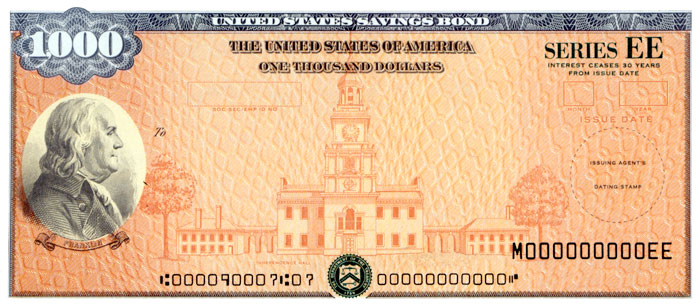
A bond is a loan to an issuer. For a fixed-rate bond, a higher required market yield generally means a lower price. Longer-duration bonds are usually more sensitive to rate changes. Government, corporate and inflation-linked bonds carry different risks; credit quality, maturity and inflation all affect what a quoted yield means. A coupon rate is not the same as the return you will earn.
Previous-session context · September 4
Friday’s jobs release is relevant to growth and rate expectations. No Treasury closing yield or bond-market return is claimed; those require a timestamped rate source. Read the dated context.
Upcoming events · checked September 6
U.S. PPI and CPI arrive September 10–11; the Fed meets September 15–16. Compare policy expectations with actual decisions and distinguish short-term from long-term yields.
Photos: Pexels and Unsplash, credited individually; remaining illustrations are original Konaloo drawings. Photos illustrate markets, not current events or endorsements; flags identify currencies. Educational information only—not personalized advice, trade signals or promises of returns. Check product risks and source timestamps.